
What Is Digital Marketing?
Digital marketing is any marketing that uses the internet or digital devices to promote your products, services, or brand. Instead of relying only on print, billboards, or word of mouth, you leverage channels where your customers already spend their time.
The Core Channels
- Search Engines: Google, Bing
- Social Media: Instagram, Facebook, LinkedIn, TikTok, X
- Direct Outreach: Email marketing
- Owned Media: Your website and blog
- Paid Media: Google Ads, Meta Ads
- Video: YouTube and short-form video apps
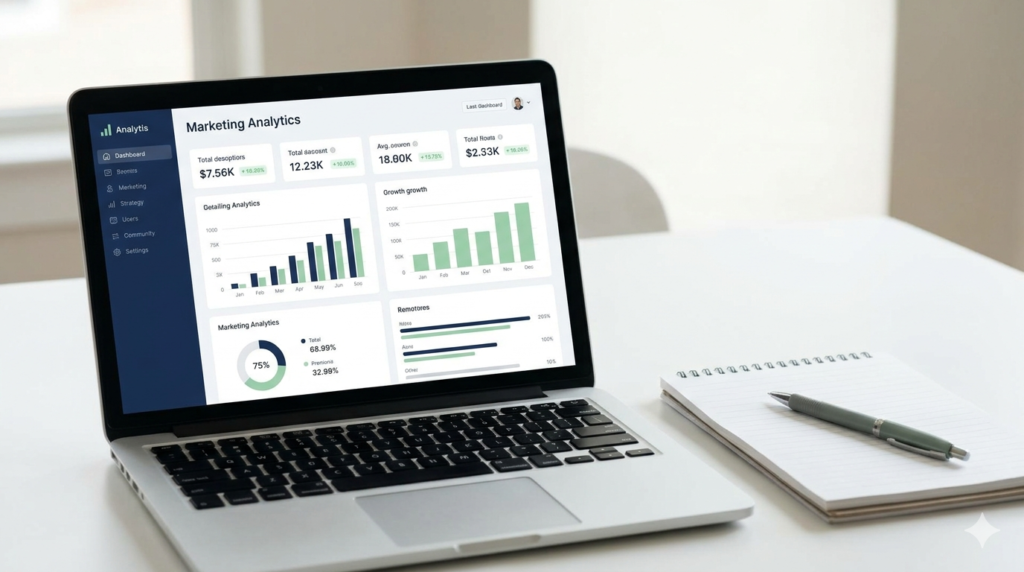
The Big Advantage: Data. Unlike a billboard, digital marketing allows you to see exactly who clicked, what they liked, and what led to a sale.
Why It Matters More Than Ever (2026 Edition)
- The Journey Starts Online: Most customers check reviews and websites before making contact. If you aren’t online, you’re invisible.
- Agility Over Budget: A smart, well-targeted email or video can outperform a massive corporate budget that lacks a personal touch.
- Everything is Trackable: Stop asking “Is this working?” and start looking at real-time metrics to adjust your strategy on the fly.
The 5 Pillars of Digital Marketing
1. Search Engine Optimization (SEO)
SEO makes your website “readable” for Google. It’s a long-term game that builds “always-on” visibility.
- Keyword Research: Knowing what your audience actually types into the search bar.
- On-Page: Using those keywords naturally in titles and headings.
- Technical Health: Ensuring your site is fast, secure (HTTPS), and mobile-friendly.
2. Content Marketing
Focus on being genuinely useful rather than “salesy.”
- Examples: Blog posts, how-to videos, case studies, and infographics.
- The Goal: Build authority so that by the time a lead talks to you, they already trust you.
3. Social Media Marketing
This is where you show personality and build relationships.
- Pro Tip: You don’t have to be everywhere. Choose one or two platforms where your audience lives and stay consistent there.
4. Email Marketing
Email is one of the highest-ROI channels because you own the list. You aren’t at the mercy of a social media algorithm change. Use it to welcome new fans, nurture leads, and drive repeat sales.
5. Paid Advertising (PPC)
The “fast-pass” to results. Whether it’s Google Search Ads or targeted Social Ads, paid media works best when it supports your existing content and strategy.
How to Build Your Strategy
You don’t need a 50-page marketing plan. You need these five steps:
| Step | Action |
| 1. Set Goals | Be specific (e.g., “Get 30 leads/month” vs. “Get more business”). |
| 2. Know Your Customer | Identify their frustrations, dreams, and online habits. |
| 3. Pick Your Channels | Start small: A website + one social channel + an email list. |
| 4. Create a Rhythm | Commit to a schedule (e.g., 1 blog and 3 social posts per week). |
| 5. Measure & Adjust | Use analytics to double down on what works and cut what doesn’t. |
Common Pitfalls to Avoid
- The “Everywhere” Trap: Trying to master every platform at once leads to burnout.
- Ignoring Your Website: Social media is “rented land.” Your website is the home you own.
- The Sprint Mentality: Digital marketing is a marathon. Consistency beats short bursts of activity every time.
Conclusion: Let it Compound
Digital marketing doesn’t have to be overwhelming. Start simple: get to know your audience, pick a few channels, and show up. Over time, your efforts will compound—your content will climb the search rankings, your email list will grow, and your brand will become the obvious choice in your industry.
Ready to grow? Pick one channel today and post your first piece of helpful content.